Breaking News
light_mode
Trending Tags
Beranda » Culture » Balia Dance: The Healing Ritual of the Kaili Tribe

Balia Dance: The Healing Ritual of the Kaili Tribe

  • account_circle Stenly Fischer
  • calendar_month Sabtu, 21 Jun 2025
  • visibility 394
  • comment 0 komentar
  • print Cetak

info Atur ukuran teks artikel ini untuk mendapatkan pengalaman membaca terbaik.

IDNtribune.com, Palu – Central Sulawesi is the largest province on the island of Sulawesi, Indonesia. Its indigenous population consists of 15 ethnic groups, the largest of which is the Kaili tribe, whose members inhabit much of the province, including the regions of Donggala, Sigi, Palu, Parigi Moutong, Tojo Una-Una, Poso, Tomini Bay, and the coastal areas of Poso.

Remarkably, the Kaili are an ethnic group with their own linguistic branches—more than 30 in total—such as Kaili Rai, Kaili Ledo, Kaili Ija, Kaili Moma, Kaili Da’a, Kaili Unde, Kaili Inde, Kaili Tara, Kaili Bare’e, Kaili Doi, and Kaili Torai. Each branch uses its own dialect in daily life, yet all are unified by a common language, Ledo, which serves as a lingua franca among the Kaili people.

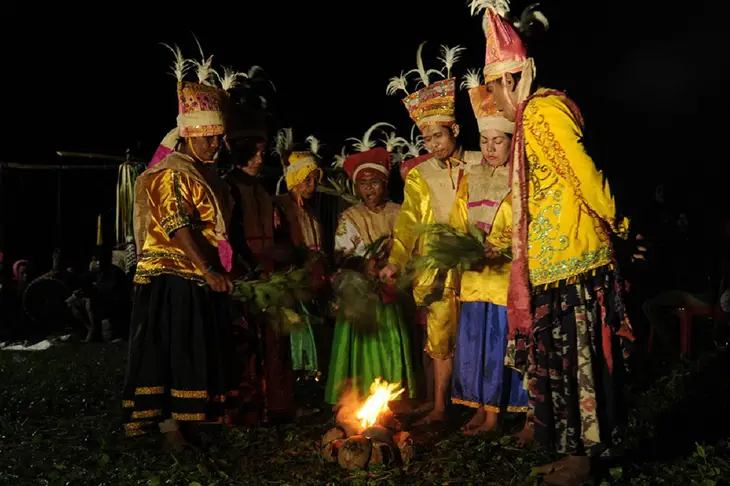
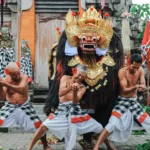
Like many other ethnic groups across the Indonesian archipelago, the Kaili tribe has preserved its traditional culture and rituals. One of the most well-known of these is the Balia Dance, an ancient healing ritual believed to cure illnesses caused by malevolent spirits or supernatural forces. Locals often refer to this ritual as a form of spiritual medicine or “health warrior.”
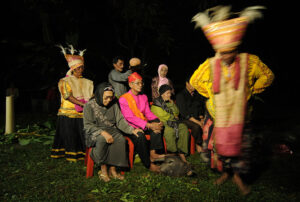
Historically, the Balia Dance was primarily performed for noble families. It was not conducted arbitrarily; instead, it was reserved for cases in which conventional medical treatment failed to bring recovery. The Kaili people believed that the dance could restore health by driving away evil spirits responsible for sickness.

Unlike other traditional dances, Balia includes a dramatic and extreme act—walking barefoot on burning embers. The word Balia itself means to challenge, symbolizing the confrontation between the healer and the evil spirits. In ancient belief, stepping on fire represents the destruction of anger, impurity, and negative energy.

The ritual can be conducted individually or in groups, and its duration depends on the severity of the illness—the more serious the disease, the longer the ceremony. The Balia ritual is divided into three main levels: Balia Bone, Balia Jinja, and Balia Tampilangi.

  • Balia Bone is the most basic level, typically performed for minor ailments. A sando (traditional healer) leads the ritual, which usually takes place over a short duration.

  • Balia Jinja involves a larger group of participants, including the sando, the bale (assistants), the patient, and onlookers. The participants move in a circular motion while chanting the sacred dondulu. During the performance, some participants may enter a trance state.

  • Balia Tampilangi is the most sacred and elaborate level, often reserved for nobility. This version combines all movements from the previous two levels and can last for three to four days, requiring specific ceremonial conditions to be fulfilled.

The full Balia ceremony consists of ten stages, including pompoura or tala bala’a, enje da’a, tampilangi ulujadi, pompoura vunja, manuru viata, jinja, balia topoledo, vunja ntana, tampilangi, and nora binangga.

During the preparations, offerings such as incense, fruit, symbolic coffins, and sacrificial animals—ranging from chickens to goats or buffaloes, depending on the host’s social status—are arranged. The animal sacrifices symbolize a sincere plea for recovery. The ceremony is accompanied by the melodic sounds of the lalove (flute) and gimba (drum), which guide the rhythm of the ritual.
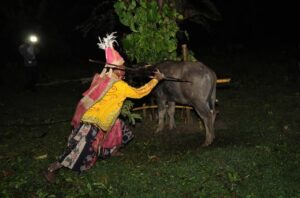
When the preparations are complete, a male shaman begins reciting chants and mantras to summon ancestral spirits. Different offerings are placed near the incense for each stage. The patient remains close to the dancers until the ritual reaches its conclusion.

For the Kaili people, Balia is more than a performance—it is a deeply spiritual act of healing and cultural identity. While many still believe in its power to cure diseases, others, influenced by modern lifestyles, prefer medical treatment through doctors and healthcare professionals.

Nevertheless, the Balia Dance remains a living testament to the Kaili tribe’s enduring respect for their ancestral traditions and the harmony between the physical and spiritual realms.

  • Penulis: Stenly Fischer
Komentar (0)

Saat ini belum ada komentar

Silahkan tulis komentar Anda

Email Anda tidak akan dipublikasikan. Kolom yang bertanda bintang (*) wajib diisi

Rekomendasi Untuk Anda

  • Rokok Elektrik / Vape.

    WHO: 15 Juta Remaja di Dunia Gunakan Rokok Elektrik

    • calendar_month Selasa, 7 Okt 2025
    • account_circle Stenly Fischer
    • visibility 313
    • 0Komentar

    IDNtribune.com, Jenewa – Organisasi Kesehatan Dunia (WHO) memperkirakan sedikitnya 15 juta remaja berusia 13 hingga 15 tahun di seluruh dunia menggunakan rokok elektrik atau vape. Data WHO menunjukkan, remaja sembilan kali lebih mungkin menggunakan vape dibandingkan orang dewasa di negara-negara dengan data yang tersedia. Mengutip laporan Reuters, WHO mencatat lebih dari 100 juta orang kini menggunakan […]

  • Dozens of demonstrators from the Civil Society Coalition

    Activists Protest at Parliament, Demand End to Repression

    • calendar_month Senin, 6 Okt 2025
    • account_circle Moh. Fadli Ladjinta
    • visibility 364
    • 0Komentar

    IDNtribune.com, Jakarta – Dozens of demonstrators from the Civil Society Coalition, including students, labor unions, and environmental activists, staged a protest in front of the House of Representatives (DPR RI) building in Senayan, Jakarta, on Monday (October 6, 2025). The protesters voiced concern over the increasing repression faced by activists in recent months. According to the […]

  • Traditional Chinesee Medicine

    常见中草药推荐:传统智慧与现代健康的结合

    • calendar_month Rabu, 8 Okt 2025
    • account_circle Muhammad Rizky
    • visibility 595
    • 0Komentar

    IDNtribune.com, Healt – 中草药作为中华传统医学的重要组成部分,已有数千年历史。其核心理念在于通过天然草本调和人体阴阳、促进气血流通,从而达到预防疾病与增强体质的目的。近年来,随着全球对自然疗法的兴趣上升,许多中草药因其疗效显著而逐渐被世界各地所接受与应用。以下为几种常见且广泛使用的中草药介绍。 1. 人参(Ginseng)人参是最具代表性的中草药之一,被誉为“百草之王”。其根部具有提升能量、缓解压力、增强认知功能的作用。人参能强化免疫系统,促进整体健康。常见品种包括红参与白参:红参偏重于增强体力与耐力,而白参更适合改善消化功能与心理健康。 2. 黄芪(Astragalus / Huang Qi)黄芪以其“补气固表”的功效著称,常用于增强免疫力、防治感冒与改善血液循环。该药材还被认为有助于维持肾脏健康。在中医配方中,黄芪常与其他草药搭配使用,以提高治疗效果。 3. 枸杞(Goji Berry / 枸杞子)枸杞为红色小果,富含抗氧化物质。其主要功效包括养肝明目、改善睡眠与延缓衰老。枸杞常以茶饮或食材形式摄入,是调理气血、增强体力的重要药食两用植物。 4. 灵芝(Reishi / Lingzhi)灵芝在中医中被视为延年益寿之药,具有调节免疫、抗肿瘤、抗炎与解毒等多重功效。其“适应原”(Adaptogen)特性有助于身体抵御生理与心理压力,广泛用于养生保健领域。 5. 当归(Dong Quai)被称为“女性人参”的当归,是调理女性健康的重要药材。其主要用于缓解经痛、调节月经与更年期症状,同时促进血液循环并强化心血管系统。当归亦被用于改善肤色与滋养肌肤。 6. 菊花(Chrysanthemum)菊花具有清热解毒、平肝明目的功效,常用于缓解发热、头痛及眼睛疲劳。菊花茶除具有镇静作用外,还能有助于降低血压、改善心脏健康。 7. 甘草(Licorice / 甘草)甘草是中药方剂中使用最广的药材之一,具有调和诸药、缓急止痛、润肺止咳等作用。其还能改善消化、减轻炎症,并中和其他草药的烈性,使配方更为平衡。 中草药以其整体性与协调性著称,是中医“治未病”理念的核心体现。然而,专家提醒,在使用中草药前应咨询专业医师,以确保剂量与配伍安全,尤其对于患有慢性疾病或正在服用其他药物的人群而言更为重要。

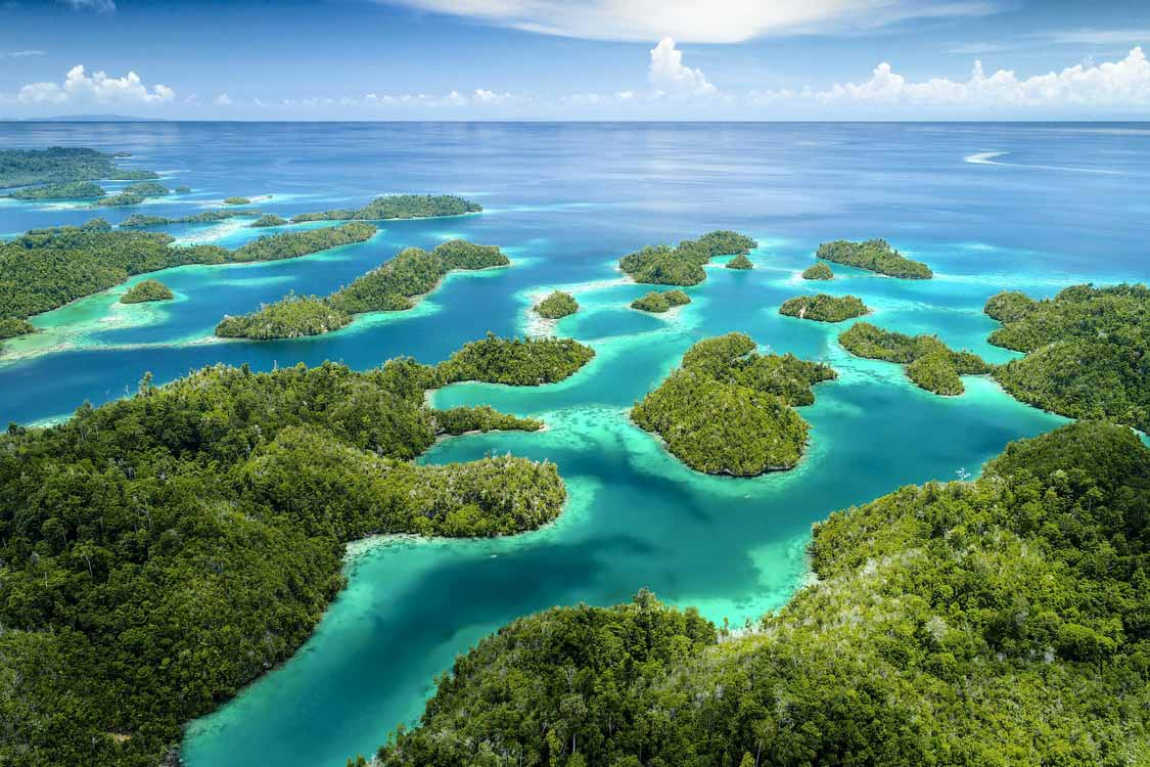
  • 托乔乌纳乌纳多吉安岛,印度尼西亚中苏拉威西省

    多吉安群岛——中苏拉威西的海洋明珠,成为国家生态旅游目的地

    • calendar_month Selasa, 7 Okt 2025
    • account_circle Muhammad Rizky
    • visibility 523
    • 0Komentar

    IDNtribune.com, Touna – 2025年10月7日 —— 位于中苏拉威西托乔乌纳乌纳县的多吉安群岛再次巩固其作为印尼国家重点旅游目的地的地位。该地区被正式列入印尼 50个国家旅游目的地(DPN) 之一,以“印尼最新生态旅游目的地(Indonesian’s Newest Ecotourism Destination)”为形象,并被纳入 88个国家战略旅游区(KSPN)。 这一认定进一步强化了多吉安群岛在国家旅游发展中的战略作用。该地区不仅以自然之美著称,同时在自然资源保护、教育、科研以及社会、经济与文化赋能方面发挥着重要作用。 多吉安群岛拥有多样的旅游吸引力,包括自然、文化以及特殊兴趣旅游。游客可在洁白的沙滩上休憩,在清澈的海水中潜水、游泳、垂钓,或与当地居民互动,感受独特的社会与文化氛围。优美的环境与地方智慧文化,使该群岛成为生态旅游爱好者的理想目的地。 作为“珊瑚三角区”(Coral Triangle)的一部分——涵盖印度尼西亚、菲律宾、马来西亚、巴布亚新几内亚、日本与澳大利亚——多吉安群岛拥有极其丰富的海洋生态系统。这里分布着四种主要珊瑚类型:岸礁(fringing reef)、障礁(barrier reef)、块礁(patch reef) 与 环礁(atoll)。 在多吉安海域共发现 262种珊瑚(其中包括特有种 Acropoda togeanensis)、596种鱼类(包括 Paracheilinus togeanensis 和 Ecsenius sp.)、以及 555种软体动物。此外,还生活着诸多稀有物种,如巨砗磲(Tridacna gigas)、绿蠵龟(Chelonia mydas)、玳瑁(Eretmochelys imbricata)、儒艮(Dugong dugon) 与领航鲸(pilot whale) 等。 除海洋生态外,多吉安陆地区域亦栖息着众多受保护及特有陆生动物,包括多吉安猴(Macaca togeanus)、多吉安巨蜥(Varanus salvator togeanensis)、熊袋貂(Phalanger ursinus)、眼镜猴(Tarsius spectrum)、鹿猪(Babyrousa babirussa)等。同时,这里还记录有97种鸟类与363种植物,其中包括娑罗树(Shorea sp.)、铁木(Intsia bijuga)与Palapi树(Heritiera sp.)。 凭借丰富的海洋与陆地生态资源,多吉安群岛理应成为印尼生态旅游的象征,在保护自然与促进可持续经济发展之间取得平衡。中苏拉威西省政府与中央政府正持续推动多吉安旅游基础设施建设与国际推广,吸引更多国内外游客,同时确保生态保护价值不受影响。

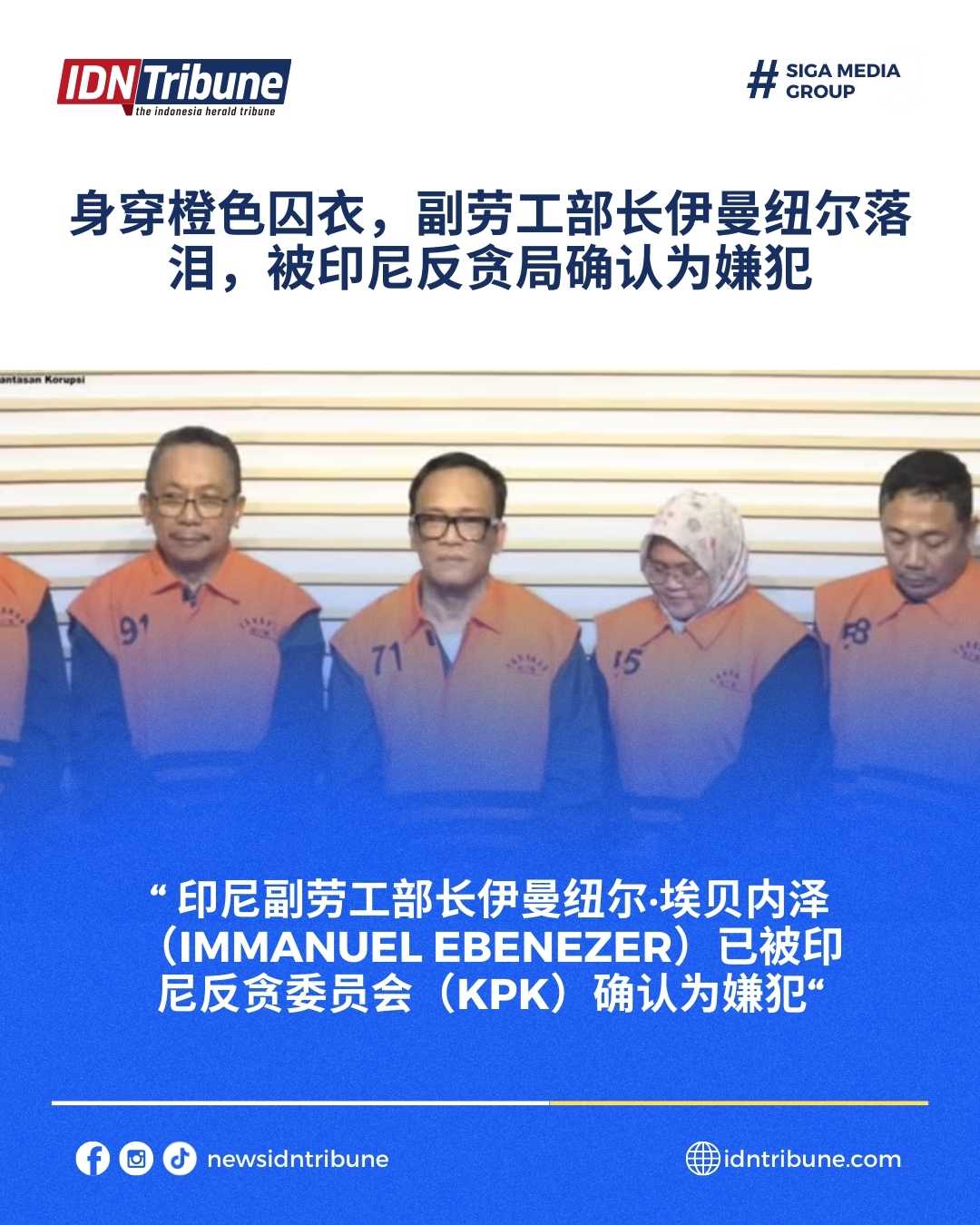
  • 印尼人力部副部长伊曼纽尔·埃比尼泽身穿橙色背心

    身穿橙色囚衣,副劳工部长伊曼纽尔落泪,被印尼反贪局确认为嫌犯

    • calendar_month Sabtu, 23 Agt 2025
    • account_circle Muhammad Rizky
    • visibility 549
    • 0Komentar

    IDNTribune, Jakarta – 印尼副劳工部长伊曼纽尔·埃贝内泽(Immanuel Ebenezer)已被印尼反贪委员会(KPK)确认为嫌犯。此决定是在其涉嫌通过职业安全与健康(K3)认证项目进行勒索并于行动中被当场抓获(OTT)后作出的。 2025年8月22日(星期五),在雅加达南部的KPK红白大楼内,媒体目击到埃贝内泽身穿橙色囚衣、双手戴铐。在被押往新闻发布会现场途中,他一度拭泪。 KPK主席塞蒂约·布迪扬托(Setyo Budiyanto)在记者会上表示,该案件共涉及11名嫌疑人,其中包括埃贝内泽。他们将被先行羁押20天。 “调查结果显示,伊曼纽尔·埃贝内泽·格鲁干(Immanuel Ebenezer Gerungan)于2024年12月,即上任副部长两个月后,收受3亿印尼盾贿款。”塞蒂约指出。 除埃贝内泽外,劳工部的其他官员也被指控收受现金及车辆。行动中,KPK查获了数十亿印尼盾现金和22辆豪华车辆,其中包括15辆汽车和7辆摩托车。被扣押的车辆涵盖日产GT-R、丰田卡罗拉Cross、现代Palisade、铃木吉姆尼、本田CR-V,以及杜卡迪摩托车。 在新闻发布会前一天,这些被扣押的车辆已在KPK大楼前后大厅公开展示。此外,KPK还查封了劳工部下属职业安全与健康监察总局办公室,以便进一步调查。

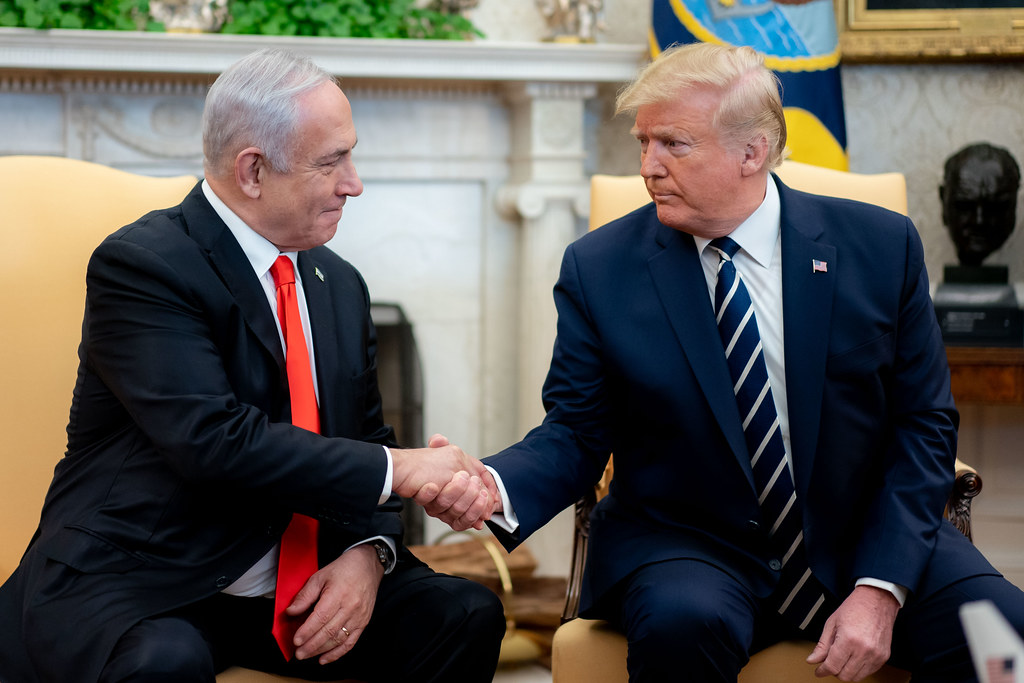
  • US President Donald Trump and Israeli Prime Minister Benjamin Netanyahu.

    Trump Pushes Gaza War Framework, Netanyahu Still Rejects Palestinian Statehood

    • calendar_month Rabu, 1 Okt 2025
    • account_circle Muhammad Rizky
    • visibility 251
    • 0Komentar

    IDNtribune, Washington DC – U.S. President Donald Trump has introduced a framework agreement to end the war in Gaza and rebuild the devastated territory. The initiative has gained strong backing, not only from Trump himself, but also from several Arab and Islamic countries including Jordan, Egypt, Qatar, Saudi Arabia, the United Arab Emirates, Pakistan, Indonesia, […]

expand_less